Jason Teale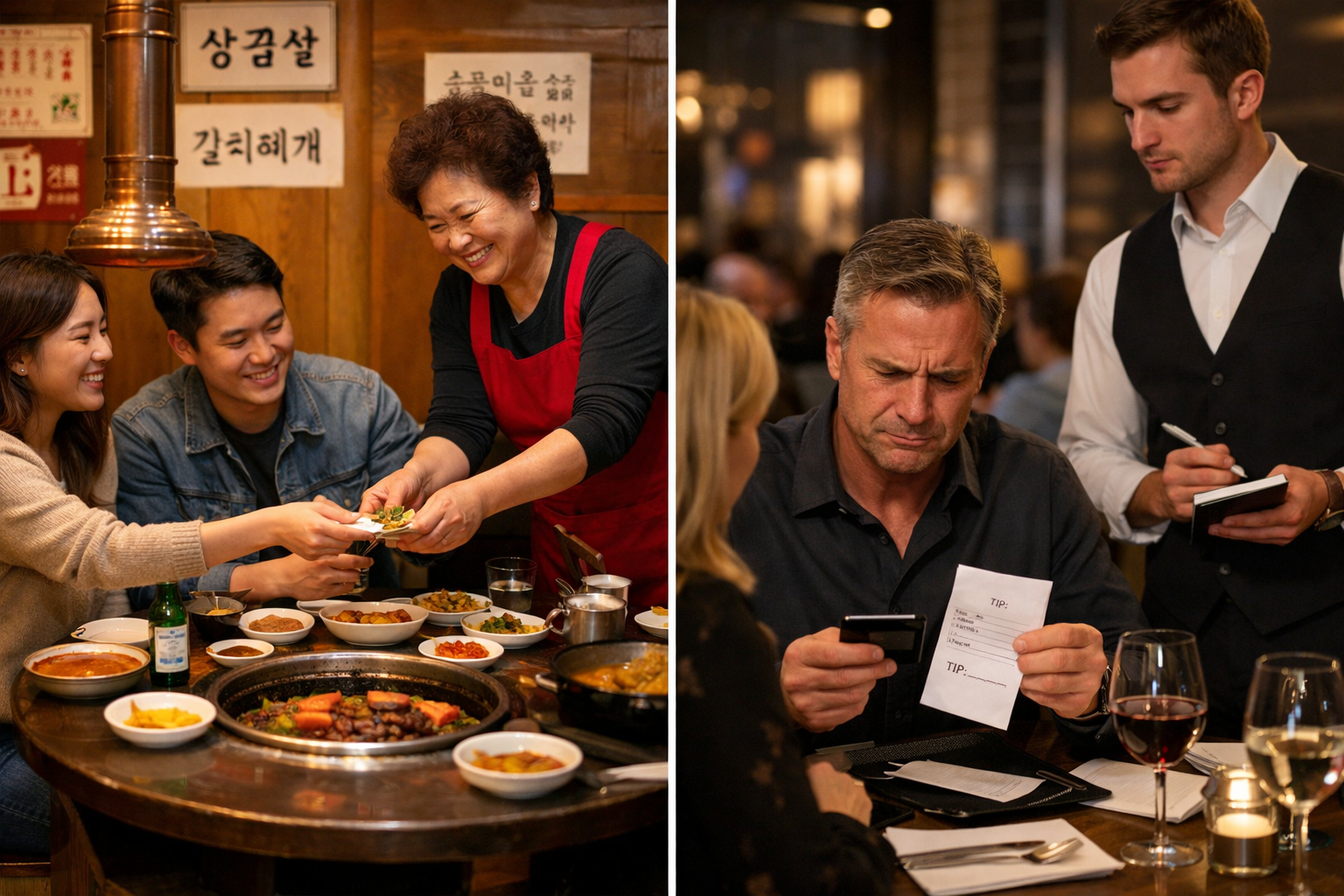
Over the past few years, a small but noticeable trend has started appearing in Korea. Some tourists and short-term visitors have begun tipping service workers the way they would in places like the United States, Canada, or parts of Europe. While this usually comes from a good place, it also reflects a misunderstanding of how service culture works here.
For those of us who have lived and worked in Korea for a long time, tipping simply isn’t part of the system. Service workers are paid wages, and good service is expected as part of the job. The price on the menu or the meter is the price you pay. There is no extra percentage expected at the end of the bill.
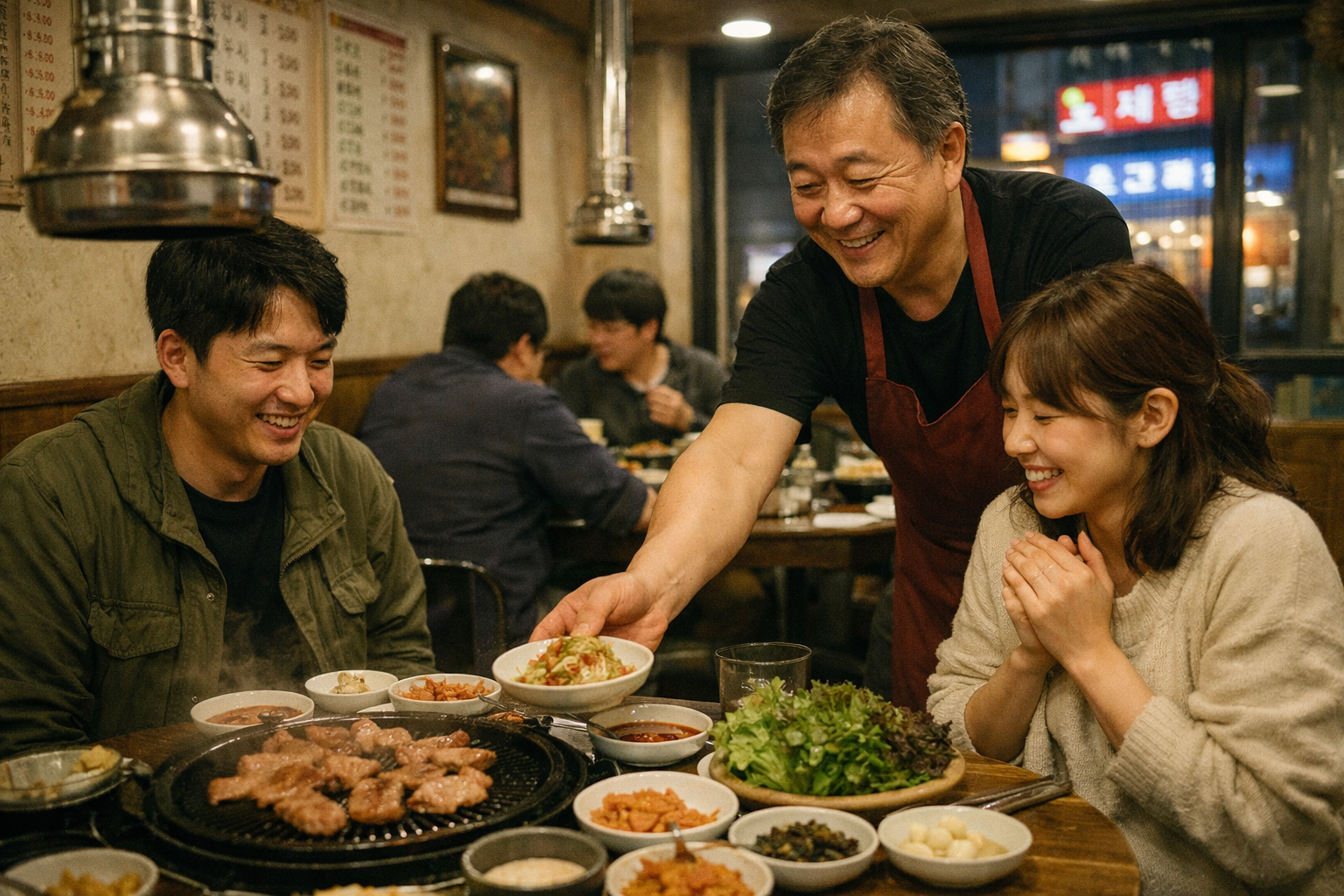
One of the things many of us love about living in Ulsan is the genuine hospitality you find in local businesses. Small restaurants, barbecue places, taxis, and family-run shops often go out of their way to make customers feel welcome. If you’ve lived here for a while, you’ve probably experienced a restaurant owner bringing an extra dish to the table, adding a little more food, or simply chatting with you because they appreciate your visit.
That kindness is part of the culture. It isn’t tied to tipping.
Visitors who offer tips usually believe they are helping. They want to reward good service or give someone a little extra money. The problem is that when tipping slowly becomes normalized, businesses can begin to expect it and workers may start relying on it. Over time, the responsibility for paying service workers quietly shifts from employers to customers.
Many people who live in countries with strong tipping cultures know exactly how that story goes.
Once tipping becomes common, it often stops being optional. Customers begin to feel pressure to add 15 or 20 percent on top of the bill, even for average service. In some places, people are even asked to tip before they receive their food or service. What started as a way to reward exceptional service eventually becomes an expectation.
That system simply doesn’t belong in Korea.
Another issue is that tourists eventually go home. The people who remain are the residents who live and work here year-round. If tipping slowly becomes normalized, it’s the local community and long-term residents who end up dealing with the change.

Many foreign residents in Korea are already facing rising costs of living. Cities like Ulsan have seen steady increases in housing, food, and everyday expenses over the years. At the same time, many foreign workers and teachers have seen little change in their wages over the past couple of decades.
Most of us are more than happy to support the local businesses we enjoy. I’ll gladly spend money at my favorite barbecue restaurants, coffee shops, and small eateries around Ulsan. But if tipping suddenly becomes an expected part of the bill, people will simply start going out less. That doesn’t help customers, and it doesn’t help business owners either.
The good news is that Korea already has a system that works well. You pay the listed price, you receive friendly service, and everyone leaves satisfied.
Most Koreans prefer to keep it that way.
So if you’re visiting Ulsan or traveling around Korea, the best way to show appreciation is simple. Enjoy the food, thank the staff, and come back again. That’s the kind of support local businesses truly value.
Sometimes the best way to respect a culture is simply to leave it as it is.